



SALEM, Oregon — The Oregon Parks and Recreation Department (OPRD) announced updates to visitor fees at select state parks, part of a broader initiative to build a more financially resilient Oregon State Parks system amid rising costs, record visitation, and a projected 14% budget shortfall.
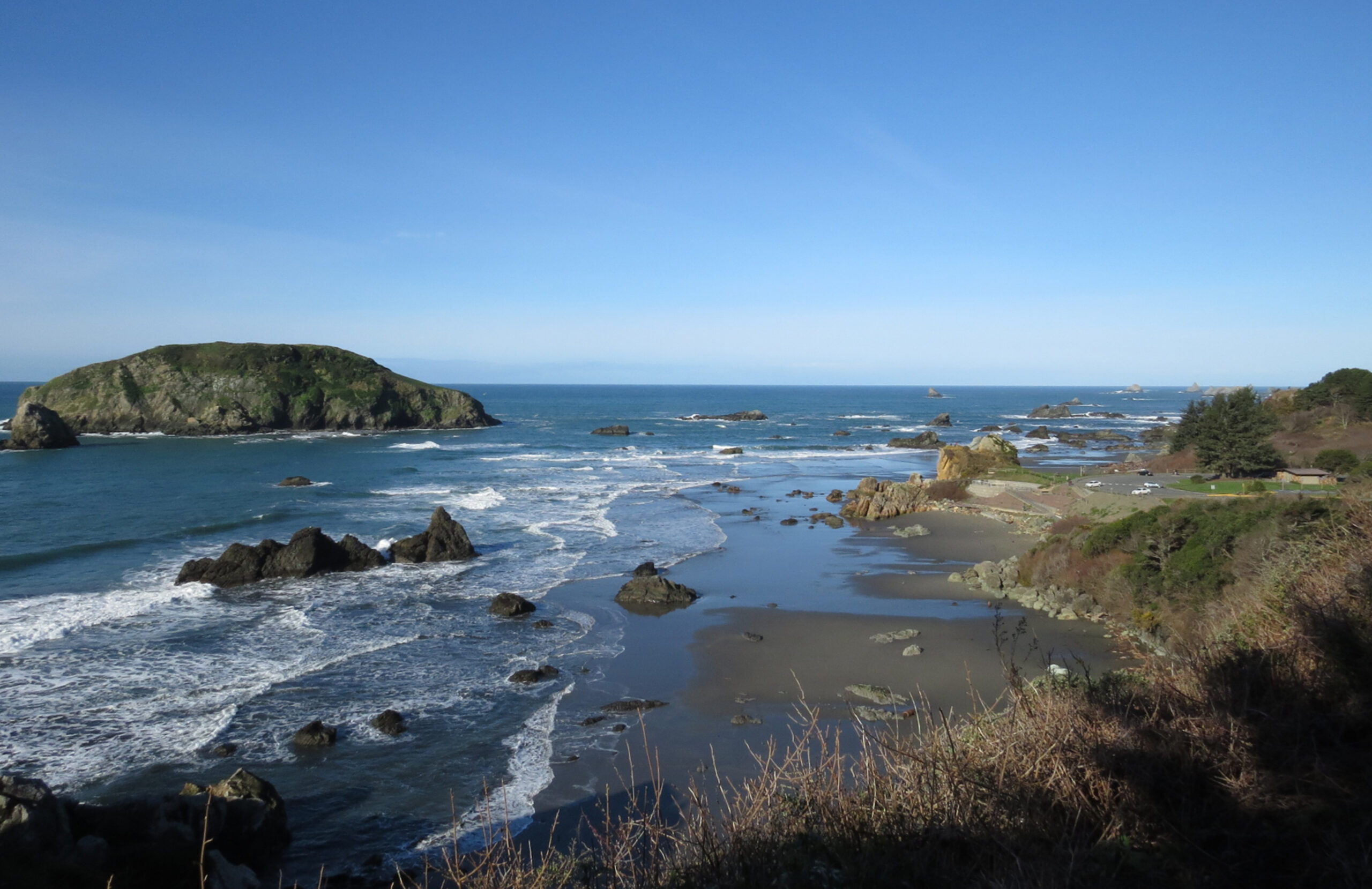
Starting October 1, 2025, the state will begin charging day-use parking fees at 21 additional parks. Currently, 25 parks charge for parking, while over 225 do not. The change means in-state visitors will pay $10 and out-of-state visitors $12 at more locations — including popular destinations like Harris Beach State Park, which saw nearly 2 million day-use visits last year.
These fees do not apply to those who walk, bike, use public transit, camp with a valid hangtag, or have a 12- or 24-month parking permit.
-
A 12-month permit costs $30
-
A 24-month permit costs $50
Permits can be purchased online.
Additional fee updates begin May 1, 2026, including:
-
Overnight camping rates at the 29 busiest parks will rise to the top of the current rate range from May through September and on all weekends year-round (up to $29 for tents and $52 for full hookup RV sites).
-
Cabin and yurt rentals will increase to the highest rates year-round ($72–$129 depending on amenities).
-
Boat moorage fees will increase from $15 to $20 per night.
-
Overflow, overnight parking, and primitive camping fees will rise from about $10 to at least $15 per night.
“These targeted adjustments, along with internal cost-cutting and modernization efforts, are necessary to maintain our service levels and keep our parks open, clean, and safe,” said OPRD Director Lisa Sumption. “We’re working to reimagine a financially resilient system that will serve generations to come.”
State Parks funding is sourced primarily from:
-
Constitutionally dedicated lottery funds (less than 50%)
-
Recreational vehicle license plate fees (~15%)
-
Park fees from visitors (~35%)
It receives no general fund tax dollars.
OPRD is also collecting public input through a statewide survey focused on park experiences, services, and possible funding models such as sponsorships and public-private partnerships. Visitors are encouraged to share feedback to help shape the future of Oregon’s state park system.